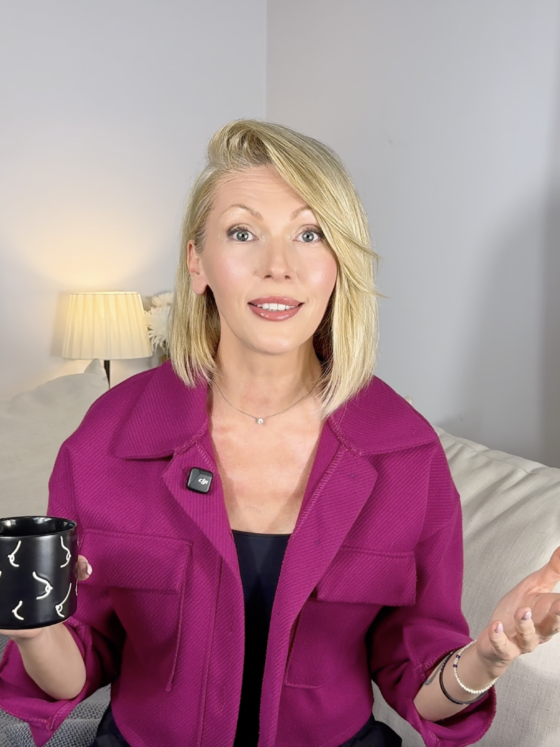
Motherhood Challenges: Breaking the Supermom’s Myth
Yesterday, I had a chat with a close friend of mine. She’s a mom of two little boys, going through the tough parts of motherhood challenges. She’s not getting enough sleep, her body is sore from non-stop nursing, and more than anything, she’s upset because her husband doesn’t seem to understand all the scale of her motherhood challenges and how much she’s giving. She feels like he isn’t showing enough care or empathy. She wished he would just get it without her having to say anything. Don’t we all wish for the same?
As we talked about her feelings, something important came up: the fact that men and women are different! Women, through evolution, have developed an ability to nurture and juggle many things at once. Men, on the other hand, tend to focus more on clear-cut tasks or fixing problems. It’s not that her husband doesn’t care, he just might not be picking up on the unspoken signals of how exhausted she really is and what support she expects with her early motherhood challenges.
Superwoman Syndrome: I Don’t Need Help, I Can Do It All Myself
Instead of waiting for her husband to magically understand, I suggested she simply ask for help. She listened, a little hesitant, as if asking for help made her less capable. It’s something many women struggle with, the feeling that to be a “good” mom or partner, we have to handle everything perfectly, without ever showing how tired or overwhelmed we really are.
This belief, often called “superwoman syndrome,” makes it hard to admit when we need help. But this is where many women get stuck. We think that if we ask for help, we’re not doing our job well enough. The truth is, asking for help is a sign of strength, not weakness. It doesn’t mean you’re not doing a great job, it just means you’re human.
The Science Behind Superwoman Syndrome and Motherhood Challenges
So many women, especially moms, feel pressure to do it all, to become perfect and to keep everything running smoothly without breaking a sweat. It’s the illusion that we have to be amazing at everything, even if it drains every bit of energy we have. There’s also a scientific side to it. Women, especially new moms feel a strong emotional connection to caregiving, thanks to a hormone called oxytocin, which is released during nursing and bonding with the baby. This can make them feel like they are able to do everything, even when they’re actually running straight into the burnout.
But we all know, even supermoms can’t keep giving if they’re running on empty! Asking for help doesn’t make you any less of a mom. It just means you care enough about yourself, and your family, to make sure you’re okay too!
Helping Men Understand the Motherhood Challenges
There’s this joke: “It was just announced that the male version of Alexa will be released soon. It will be called Alex and you have to ask for the same thing ten times and wait 6 months for him to do it.” And so, we all know, men often need things to be spelled out more clearly, not because they don’t care, but because they care about things we might not even think about. They want to help but might not realise what’s needed, unless we tell them. It’s not that they’re ignoring us, they just don’t have the same empathy that’s built into us by nature.
Men aren’t as advanced at reading body language, and, let’s be honest, we aren’t helping them by repeating, “I’m fine,” or “I can manage it.” When we ask for help, we’re explaining our motherhood challenges to our partner, not to a stranger, and making it easier for them to cooperate. It opens the door to teamwork and understanding.
Creating a New Partnering Pattern: Speak Up, Don’t Assume
By the end of our conversation, I could sense my friend relaxing a bit. But to sustain that feeling, we needed to build a new pattern. At first we agreed she’d try to assume less and speak more.
She also decided to talk to her husband that evening, explaining exactly what kind of help she needs from him daily. For example, “I want two hours of time for myself, every two days, where I can do something outside, and won’t be interrupted (running errands doesn’t count!); or “I want an hour for my pilates workout” or “I’d love a professional massage every now and then. I love it when you rub my back, but I need something that really relaxes my muscles and tones my skin.”
We also talked about starting small, asking for one or two things first, and once those are part of the new routine, she could add more if needed.
Motherhood Was Never Meant to Be Done Alone
Throughout human history, women took care not only of their children but also of each other. People lived in tribes or communities, with clear roles for keeping an eye on one another. Times have changed, villages have shrunk, and women’s roles have evolved, but one thing is still the same: motherhood challenges get easier with help. If your mom, sisters, or friends don’t live nearby, you have to learn to rely more on your partner and teach them to be your tribe.
You don’t have to be a superwoman to be a wonderful mom. In fact, acknowledging the motherhood challenges are real and asking for help shows to your kids that it’s okay to rely on others, that no one has to do it all alone.
This morning, my friend sent me a thank-you message… along with a selfie from the massage salon! 😊
Supermoms do get tired, do fail, and for sure – supermoms do cry, because crying doesn’t make us lesser, it makes us normal – people with emotions!
Nodding While Reading?
Check my other articles or my motherhood sessions for moms like you!